PRRSv
– Porcine Reproductive and Respiratory Syndrome Virus
Reducing
the spread around the farm
This two page
photomontage intends to remind producers of the key routes of spread
Review stopping the virus entering the farm. Essential to avoid new strains of virus
entering the farm system
|
All-in/All-out
Pig Flow |
||
|
|
|
|
|
Set
and maintain breeding targets All-in/all-out can only happen when the farm manages
batches of pigs |
Clean each room thoroughly. Note all-in/all-out is animals, floor,
water, feed and air. Use hot water and
detergents to remove organic materials |
An essential control measure is the use of suitable
disinfectants and then drying. Many
disinfectants work against PRRSv. The
picture illustrates terminal lime-washing |
|
Reducing
virus load |
||
|
|
|
|
|
Gilts
positive none shedding before introduction Ensure all gilts (boars) are positive to the farm
strain and are ideally not shedding before entering breeding area |
To assist pathogen control, practice feed-back
programmes using weaner faeces if possible |
Tonsil
scrape or serum therapy On-farm virus can be obtained from previous gilts
and infected weaners. Ensure PRRSv is
actually present in materials. |
|
|
|
|
|
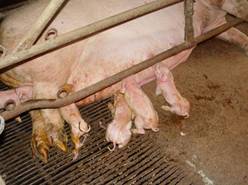
It is essential that all piglets have access to good
colostrum. Particular care is required
to care for the weaker piglets |
Avoid fostering pigs 48 hours after birth. Euthanasia of weak piglets is
preferable. Piglets must not be moved
between batches |
Streaming
programmes |
|
|
|
|
|
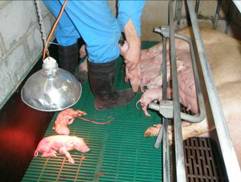
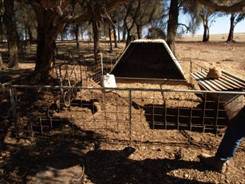
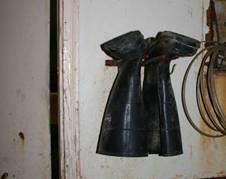
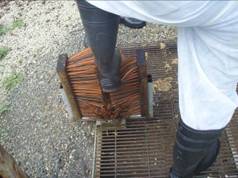
Barn specific equipment Reduce movement around the farm by using batch
specific boots, scrapers, shovels, overalls, needles |
Foot baths and foot washers reduce spread between
batches Clean brushes and scrapers daily |
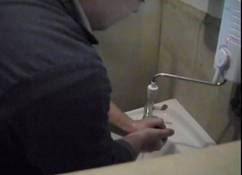
Washing hands, Gloves and hand sanitizers Wash hands between batches. Consider gloves between batches |
|
|
|
|
|
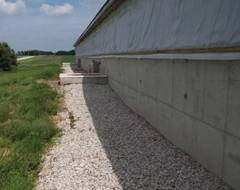
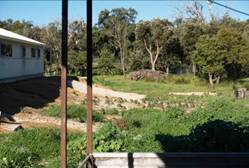
Do not have weeds growing within 2 metres of the
farm buildings. Note flies can transmit PRRSv 2.5 km. Note
White Nose syndrome in bats |
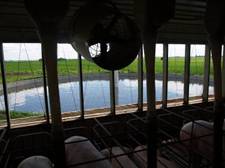
Lagoons Do not place lagoons close (within 50 m) to pig
buildings |
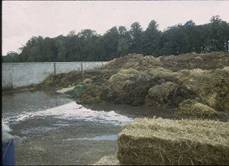
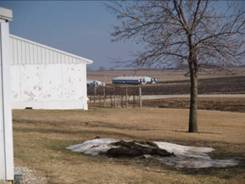
Do not place compost heaps close (within 50 m) to
pig buildings |
|
|
|
|
|
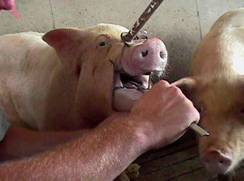
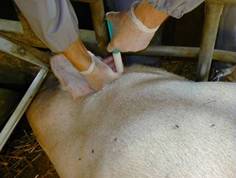
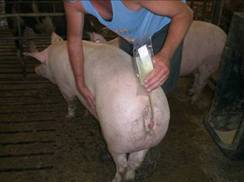
Medicine control – do not share needles between batches Needles are ideal vectors to spread PRRSv between
batches. Maintain different needles
and syringes between batches and the streamed pigs |
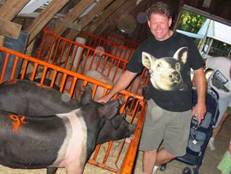
Staff
visiting slaughterhouses Staff are no to own their own pigs After a visits
to slaughterhouses or markets have a
thorough shower and change of clothing and 24 away from pigs |
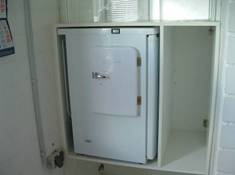
Items from other sources Fumigate all items from outside sources. Note electrical and other maintenance
contractors who work on other pig units |
Measures which would need to
be considered even on positive units
to reduce the spread of a
new virus strain
|
Virus
direct |
||
|
One problem is that
no matter how good a negative source is at testing, it still can take 2 days before
the breakdown can be detected – and may take up to 3 weeks |
||
|
|
|
|
|
Only purchase gilts from a negative unit. All gilts to go through a 60 day isolation
period. Gilts can be homebred |
Only purchase boars from a negative unit. All boars to go through a 60 day isolation
period |
Semen – AI Ideally semen should be produced on farm. |
|
|
|
|
|
Pork and other pig products PRRSv can remain viable in pork products and their
juices |
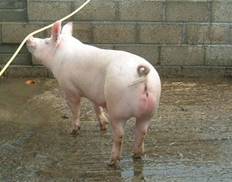
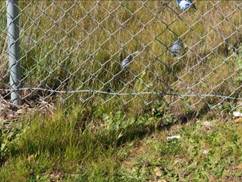
Pigs are able to survive in many environments and
“wild” pigs can move between units.
Note the security fence must go 0.5 m deep |
Live vaccines Use of vaccines must be under veterinary
supervision. A live vaccine may bring
in a new strain |
|
Virus
through the air |
||
|
|
|
|
|
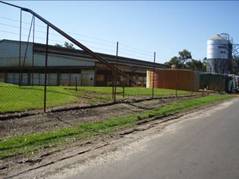
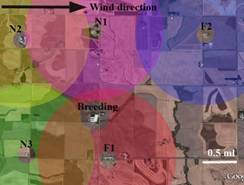
None of the farm facilities must be within 1.5 km of
another pig farm. The photograph illustrates a fictional area with
breeding, nursery and finishing farms potential local spread areas (1mile) |
Isolation facilities should be placed no nearer than
150 metres. Note the isolation area
must not be 1.5 km from an unknown pig source. The isolation area must be run
all-in/all-out |
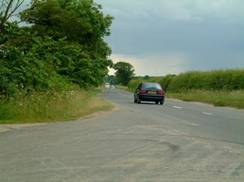
Local road Major roads, especially roads leading to
slaughterhouses may be result in PRRSv positive pigs being transported close
to the farm. Ideally the farm should
not be within 150 metres of a major road |
|
Virus
through vectors |
||
|
|
|
|
|
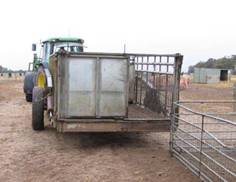
The truck taking animals to slaughter needs to kept
away from the animal units |
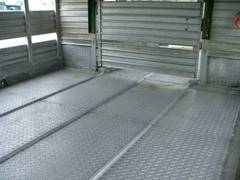
All trucks moving animals to the slaughterhouse must
be cleaned and dried before collecting the pigs. Note trucking bring gilts and boars to the
isolation area |
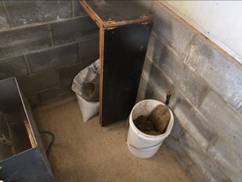
To avoid the rendering truck having to collect dead animals,
practice composting or incineration for all dead animals |
|
|
|
|
|
All feed deliveries must be made to the perimeter of
the farm, through the security fence |
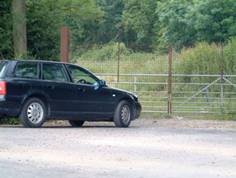
Vehicles should be either on- farm or off-farm. Provide a car park |
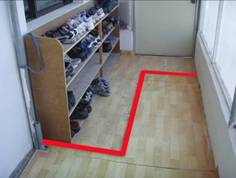
Boot security Foot-wear should be either on-farm or off-farm. Provide a clear on-farm boot area |
|
|
|
|
|
All visitors and
staff should remove outer clothing before entering the on-farm side. Note the different toweling |
Biting flies can transmit PRRSv. Protect building with fly screens – 2 mm mesh. Do not have plants growing within 2 metres
of the unit. Note placement of
composting piles and lagoons |
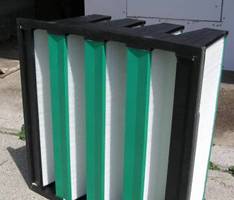
Virus filters MERV filters are possible (0.3µm filter), but
probably only practical for AI studs.
The air requirements of pigs, staff and dust from feed and environment
may restrict the use of virus filers. |
|
Apply
common sense – if you are encouraged to buy second hand equipment – check the
health status of the original farm and clean thoroughly following your vet’s
advice |
||