Selecting Future Gilts
A spreadsheet to assist in gilt selection
|
You will be required to initially select 130% of your actual gilt requirements – you must be willing to reject gilts |
|||||
|
Pig Flow
restrictions |
|||||
|
|
When practicing on farm gilt selection, the grandparent stock may cause significant disruption to pig flow on a slaughter generation farm. |
||||
|
The grandparent and parent stock should be kept separate from the general farm records and should keep their own records |
|||||
|
In the ideal farm a separate area should be reserved for the future generations. For example, two extra farrowing rooms could be used and the future stock run as a three week batched system with 4 week weaning, or a single farrowing room running a 5 week batch with 3 week weaned pigs. This also will produce larger single groups of gilts from which to select. |
|||||
|
Failure to select and provide sufficient gilts
will result in an empty farrowing crate and the loss of 10 x the finished
dead weight. In the |
|||||
Maternal
line characteristics
|
|||||
The future female pigs should only come from
excellent maternal sows, in particular ease of getting pregnant and numbers
weaned.
|
|||||
|
|
Time from boar exposure to oestrus as a gilt |
Not more than 15 days |
|||
|
Farrowing rates and returns |
Not less than 80% |
||||
|
Total number born |
13 total born parity 3 |
||||
|
Number weaned/weight per sow |
At least 10.2, 8kg on day 24 |
||||
|
Teat number |
14 |
||||
|
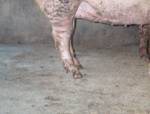
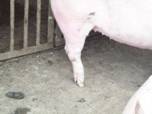
Basic conformation – in particular legs and feet |
Sound feet and legs |
||||
|
No incidences of scour or other disease problems |
|||||
Paternal
line characteristics
|
|||||
|
|
Teat line |
14 |
|||
|
Leg and feet conformation |
Sound feet and legs |
||||
|
Produce strong weaners |
At least 8kg by 24 days |
||||
|
Preparing to
be able to select your own replacement stock |
|||||
|
|
To select gilts the area needs to be very well lit – 300 lux |
||||
|
Have an accurate weigh scale available – up to 140 kg |
|||||
|
In the older age group, need an examination area of at least 1m2 so the animal can walk around on solid ground where the feet can be examined in detail |
|||||
|
A back fat measuring scale |
|||||
|
Willing to keep good individual records |
|||||
|
Ability to identify animals correctly |
|||||
|
Willing to reject animals – only 60 to 75% of gilts will be selected. |
|||||
|
|
|
|
|||
|
Have a group to select |
Measure repeatable indicies |
Examine the gilt’s feet
while clean |
|||
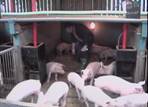
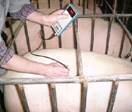
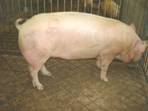
|
Characteristics
of the selected gilt |
|||||||||||
|
1 |
Birth
to Weaning – First and main selection
|
||||||||||
|
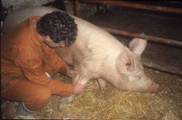
Protect the gilts’ teats with glue or tape in the first three days – teat necrosis |
|||||||||||
|
Try not to cross-foster any potential gilt or even litter |
|||||||||||
|
Do
not select any gilt from a litter with: |
|||||||||||
|
Congenital tremors |
|||||||||||
|
Congenital defects, disease problems, unusual legs/feet. Do not select from litters with scours |
|||||||||||
|
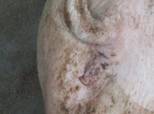
Deformed vulvas |
|||||||||||
|
First
Selection at weaning: |
|||||||||||
|
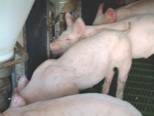
Weight of pig – particularly in relation to litter mates. Biggest pig at wean has potential to be biggest at set slaughter date. |
|||||||||||
|
Teat number and basic position |
|||||||||||
|
Anus – atresia ani will not kill a gilt |
|||||||||||
|
Ensure selected gilts are permanently marked – ear notching. |
|||||||||||
|
|
|
|
|||||||||
|
|
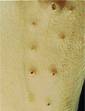
Teat necrosis – 4 days of age – future breeding
ruined |
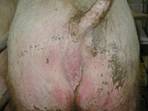
Atresia ani
in a mature gilt |
Selected gilt must be a
good weaners |
||||||||
|
2 |
70 days of age |
||||||||||
|
30kg liveweight |
|||||||||||
|
Re-check teat number and position |
|||||||||||
|
Conformation re legs and muscling |
|||||||||||
|
Check toe conformation |
|||||||||||
|
3 |
60 kg liveweight
– growth rate check |
||||||||||
|
Check leg confirmation |
|||||||||||
|
Examine gilt body in some detail |
|||||||||||
|
Check for any growth deformity – dip shoulders etc |
|||||||||||
|
|
|
|
|||||||||
|
Basic confirmation |
Examine the animal in
detail |
Dipped shoulder or
abnormalities |
|||||||||
|
Remove from finishing group |
|||||||||||
|
Place onto gilt rearing ration |
|||||||||||
|
4 |
95 kg liveweight
– conformation check |
||||||||||
|
The gilt
should now be 190 days of age,
her brothers and sisters should or
have been slaughtered and their slaughter data should be available to give a
genetic assessment of the potential of the gilt |
|||||||||||
|
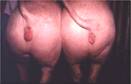
Vulva shape – upturned and infantile to reject. |
|||||||||||
|
|
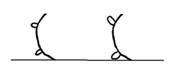
Good Bad Think about how accessible the teats will be to the piglets? |
Good Bad Ensure there is good teat placement |
|||||||||
|
Upturn vulva |
Teat layout |
||||||||||
|
Uterus – check the gilts reproductive anatomy by ultrasound |
|||||||||||
|
Teats: Each gilt must have a minimum of 7 teats per side, uniformly spaced .Gilts with teat defects should be culled. |
|||||||||||
|
Movement: The gilt should be closely observed walking around to ensure that the gilt is not “goose stepping or waddling” and that she is not unduly stiff. |
|||||||||||
|
Conformation: In general all the gilts in the group should be evenly matched – approximately the same height and length – similar ears- and no individual gilt should be excessive or have excessive hams. |
|||||||||||
|
Hind legs under abdomen |
Toes pointing |
Forelegs too straight |
|||||||||
|
|
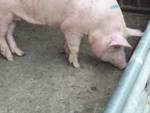
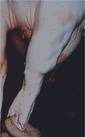
Legs: The legs should be straight and strong - she needs them all her life. If they fail, she fails. |
||||||||||
|
Are bursae a problem? |
|||||||||||
|
Bursitis are liquid filled protective swellings over joint surfaces. The body responds to the chronic injury by covering the area with thickened skin with underlying liquids, generally from a tenosynovial surfaces. They can lead to unsightly swellings and may lead to rejection of gilts for sale. |
|
||||||||||
|
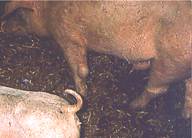
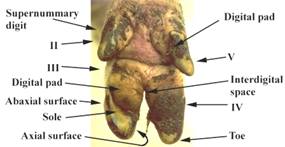
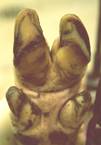
Toes: The gilt should have strong even toes well spaced apart. |
|||||||||||
|
|
|
||||||||||
|
Toes are a key component to sow survival |
Avoid uneven toes |
||||||||||
|
Backfat measurement – the gilt should have 16-18 mm of backfat at P2 at 220 days of age. |
|||||||||||
|
5 |
Post-exposure to
the boar – Reproduction Check |
||||||||||
|
|
Move gilt to breeding area and Introduce to boar. The gilt in tended to produce future breeding stock herself should have a visible oestrus within 10 days |
|
|||||||||