Biosecurity Problems on Pig Farms
|
Location of the farm |
||
|
|
|
|
|
Farms are too
close. But this also depends on which
pathogen requires control. |
Major road next
to the farm may allow for off-farm pigs to drive pass the unit. |
Farms near a
slaughterhouse will have increased number of off-farm pigs driving passed the
farm. |
|
Perimeter of the farm |
||
|
|
|
|
|
Damaged fencing
caused by children gaining access into the farm |
Fencing not into
the ground. Pigs will burrow and
fencing needs to be buried otherwise wild pigs can gain access |
Gates
unlocked. Hanging the chains around
the gate does not lock the gate or restrict access. |
|
|
|
|
|
Vehicles
transporting snow, especially in the wheel hub area or road. PRRSv and Swine Dysentery can be easily
transported by the snow and ice. |
Neighboroughing
pigs out around farm. These pigs came from a neighboroughing unit 2 miles
away. Many of the feral pigs in the |
|
|
Visitor security |
||
|
|
|
|
|
Showering
facilities. The shower has to have
running hot and cold water with soap.
If the show is cold, dirty and unattractive visitors will be reluctant
to shower adequately |
No unit
clothing. If the unit does not provide unit clothing, whatever pathogens are
alive on your outer clothing will gain access to the pigs. |
No unit
boots. Boots are a particular problem
as pigs will lick and investigate any dirt on the boots. The picture shows a big linebacker having
problems fitting into the unit’s boots. |


|
Equipment |
||
|
|
|
|
|
Borrowed
equipment on farm. This can be a very
neighboroughly thing to do. Slurry
dispersal systems are classic examples.
In the event of major diseases such as FMD the government should
consider both farms as one unit. |
||
|
Internal biosecurity |
||
|
|
|
|
|
No feed
security. To fill the feed bins the
truck has to drive right up to the feeders.
Movement of pigs into the buildings utilizes the same roadway. |
Food stored on
floor. This is a major rodent risk as
well as the food becoming damp and increasing the risk of moulds. |
Poor food bin
management. The feed bin lids were
left open and birds were able to gain access to the food storage resulting in
an outbreak of salmonella on the unit. |
|
|
|
|
|
Poor bedding storage with poor understanding of
vermin control. What fertilization programme
is in use by the source farm? |
Poor personal hygiene by the farm staff having
little respect for keeping the farm clean and tidy. |
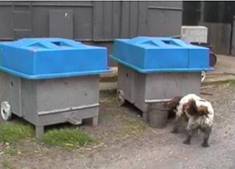
Be aware of the risk of all species of animals which
have access to the farm – classically dogs and cats. |
|
|
|
|
|
Rodent damage clearly evident. The insulation has been eaten away by
rodents. The possible leptospirosis
problem was significant compared to the pneumonic problems associated with the
poor insulation |
Rodent control poor.
It is impossible to have rodent control on farms with poor litter
control. |
Bird control poor.
Birds were entering the building eating feed and potentially bring
pathogens into the building. Flies may
also enter the farm and have been shown to transfer PRRSv |
|
|
|
|
|
Poor cleaning
between batches. This weaner arc was
supposed to be cleaned and ready for the next batch of pigs. |
No inter-room
biosecurity. Where attempts to have
biosecurity between rooms, ensure scrapes and brushes are individually
marked. The equipment must be clean
before it is disinfected. You cannot
disinfect faeces. |
No
all-in/all-out. The nursery shows did
not practice all-in/all-out. The farm
practiced 3 week batch farrowing to resolve the problem. |
|
|
|
|
|
Poor door
security. Especially any door that
leads to off-farm. |
Poor boot
cleaning facilities. You cannot clean
boots with a brush without bristles. |
|
|
Fallen stock management |
||
|
|
|
|
|
Dead animals
around farm. It is not acceptable to
just throw out the dead. This would
encourage dogs and cats to the unit – a pseudorabies risk. |
Poor vehicle
biosecurity. Vehicles are a major
biosecurity risk and need their own security protocols. |
Poor incinerator
management. There are rules covering
the use and handling of incinerators and these need
to be carefully followed. |
|
|
|
|
|
Poor placement
of composting pile. Composting is a
useful method of animal control. But
do not place too close to buildings, or fly control can be poor. |
Poor composting
management. If the compost pile is not
correctly managed to achieve animal decomposition, animal remains may attract
dogs and cats that can carry materials from the farm. |
|




|
Other livestock on farm |
||
|
|
|
|
|
Sheep and
pigs. The presence of other animals
poses their own specific risks. |
Other mammals
have access to the farm. Look for clear
evidence of other animal’s access to the farm. These stool samples come from raccoons that
can carry rabies. |
Human food in
particular pork products on the farm.
Pork products should not be present on farms; they pose a potentially
fatal risk of Classical Swine Fever as well as a FMD risk. |
|
|
|
|
|
Medicine
disposal. Medicines disposal systems should be reviews. It demonstrates a lack of care and concern
by the farm staff. |
|
|
|
Isolation facilities |
||
|
|
|
|
|
AI box, broken
dirty. When an AI box arrives at the
farm broken, has there been a biosecurity breach as well a possible semen
storage problems. |
Isolation too close. An isolation
area should be at least 50 metres away from the main unit. This isolation area was only 10 metres away
– Mycoplasma and PRRSv could not be controlled. |
No isolation
available. Many commercial farms have
no isolation facility available. The
farm merely hopes that the source farm is safe. |


|
Transport systems – see specific page
previous |
||
|
|
|
|
|
Loading areas none
secure and dirty. Entry and exit areas
need to provide a clean area. |
No loading
area. On some farms, there is no
loading area, they just take the chance. |
Trucks
tailgating. Trucks should avoid getting too close to other trucks, note
café’s and other truck stops. Aujeszky’s
Disease (Pseudorabies) has been transmitted between trucks. |
|
Staff issues |
||
|
|
|
|
|
Visiting
markets. Pig people like pigs. If you visit a market, you have to adhere
to the normal ‘visitor’ biosecurity rules. |
Visiting
slaughterhouses. Likewise, when visiting
slaughterhouse, it is essential to practice advanced entry precautions. |
Staff room poor
hygiene. Practice tidy home rules in
the staff room. There are zoonotic
diseases of pigs which could infect staff. |


