Depopulation and Repopulation Problems
The following are some examples how repopulations have encountered problems.
Inadequate
planning
|
||
|
|
|
|
|
Pathogens not recognised – Brachyspira
hyodysenteriae is one example where failure to recognize its presence
will result in too short a down-time |
Unrealistic pathogen removal associated with
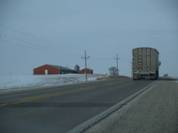
pathogens in the same district too close to the farm. Note the location of the “isolation” unit |
The presence of wild pigs in the vicinity and poor
fencing. |
|
|
|
|
|
New stock are infected with pathogens – mange can be
an example |
In adequate removal of previous stock dead animals |
Inadequate review of surrounding wildlife |
|
Inadequate preparation |
||
|
|
|
|
|
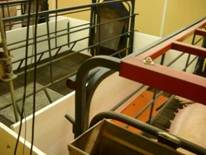
Pipes and gates
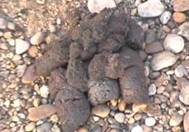
may contain feaces on the inside |
Gates require to
be fixed before cleaning. Note
particularly under the gate |
Inadequate repair of buildings – holes in the walls
and large cracks |
|
|
|
|
|
Destroy and remove all broken equipment |
Electrics that
are impossible to clean unless fixed |
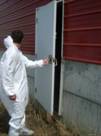
Poor farm security during and after cleaning |





|
Greed |
||
|
|
|
|
|
Keeping “old” medicines on
the farm – even unopened should be suspected |
Keeping old equipment –
teething, tail dockers, iron injectors |
Slap markers are a classic
to remain on the farm |
|
|
|
|
|
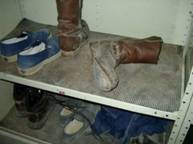
Keeping boots – the
favourite slippers for example. |
Attempting to clean
overalls |
Keeping other equipment
which has been in direct contact with the previous pigs |
|
Inadequate
cleaning |
||
|
|
|
|
|
Examine cleaned area
extremely carefully |
Water unclean with feaces
from previous groups |
Examine floor for faeces –
ask the vet to check the building |
|
|
|
|
|
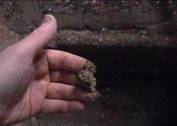
Even small pieces of faeces
need to be manually removed |
Under the slatted floor can
be extremely difficult to clean |
Remember all areas where
dirt can hide – inside curtains for example |
|
|
|
|
|
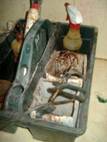
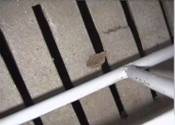
Cobwebs - manually clean
especially when around electrics |
Evidence of the previous
pig farm may be clear – an AI top |
Old feed on farm in bags
and in feed bins and pipelines. |








|
Poor repair of farm facilities |
||
|
|
|
|
|
Down pipes left unfixed are a rodent risk |
Waterers which are leaking |
Feeders with holes |
|
|
|
|
|
Floors which are worn – especially under waterer and feeders |
Ventilation systems broken – blocked attic inlets
for example |
Insulation which requires replacement |
|
Post-repopulation problems |
||
|
|
|
|
|
Inadequate rodent and vermin control programmes |
Biosecurity rules broken by stockpeople –
slaughterhouse visit |
Introduction of pathogens remember pigs are the
number on risk |
|
|
|
|
|
Congenital
tremor – this can be a risk as new gilts are not introduced to “farm viruses”
which are not removed |
Mulberry Heart –
with the increased growth rate increase Vit E to
the weaners |
Slippery floors
– associated with the extremely good cleaning. Can result in damage to gilt’s or weaned
sow’s hips |
|
|
|
|
|
In-adequate gilts numbers provided or selected |
Poor selection of gilts associated with pressure of
the ‘sale’ – in particular check backs, legs and teats |
Poor feeding control resulting in breeding of
overweight or too young gilts |
|
|
|
|
|
Over-optimistic gilt reproduction resulting in empty
farrowing crates |
Too many gilts bred, again resulting in poor pig
flow – poor weaners |
Pre-weaning diarrhoea – poor gilt immunology |
|
|
|
|
|
Overweight/fat finishing pigs as growth rates are unexpected. |
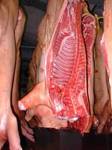
Careless breach of biosecurity -bringing pork
products onto the farm |
In the long term parity crashes with high stillborn
rates etc associated with older sows who were
retained with poor culling programmes. |











Depopulation and subsequent repopulation can be a great success if the process if fully planned, orchestrated and then implemented.
The major reasons for problems are failing to set formal goals and then setting
out to complete these goals. Remember
that the repopulation is about gilts and if they are rushed the consequences
are far reaching.
Coordinate the gilt growth, introduction, flow and future care with all members of the health team.
Finally, remember, not all “pathogens” can be eliminated – Erysipelothrix rhusiopathiae; some are brought rapidly back onto the farm – Bordetella bronchiseptica and is some cases perhaps the organism should not be eliminated as its absence makes new stock introduction impossible and movement of the produced stock difficult – Haemophilus parasuis for example.